
Dental Crowns
What a crown is for
Covering a tooth too damaged to be filled.
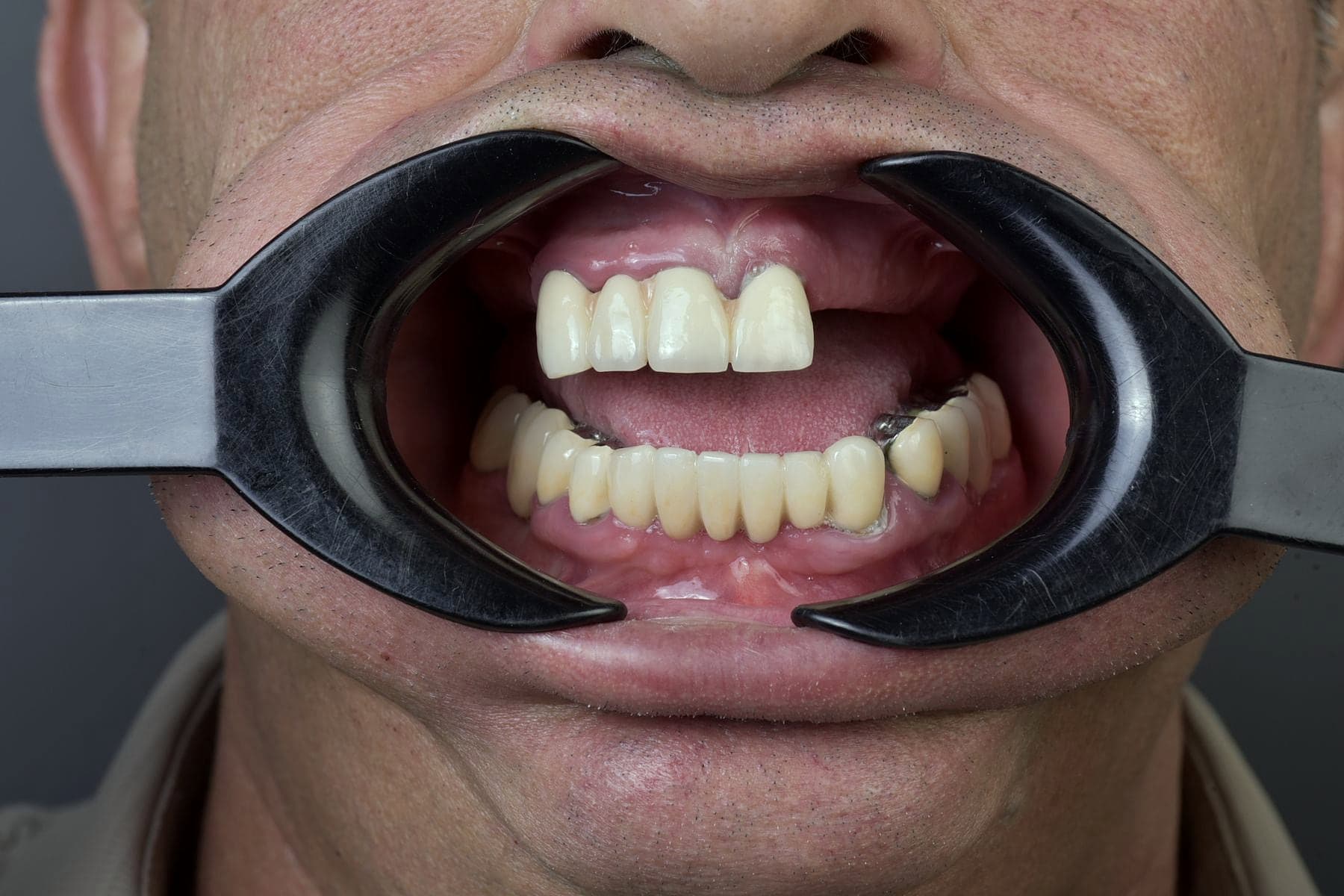
A crown covers a weakened tooth completely and gives back its shape, strength and function. You reach for one when there is no longer enough tooth to hold a filling: a fracture, very extensive decay, or a root-treated tooth that has become brittle.
A crown does not treat the tooth, it protects it. That is why it almost always comes after something else — root canal treatment, a core build-up — and never instead of it.
Zirconia, porcelain-fused-to-metal, E-max
The material follows the tooth, not the tariff.
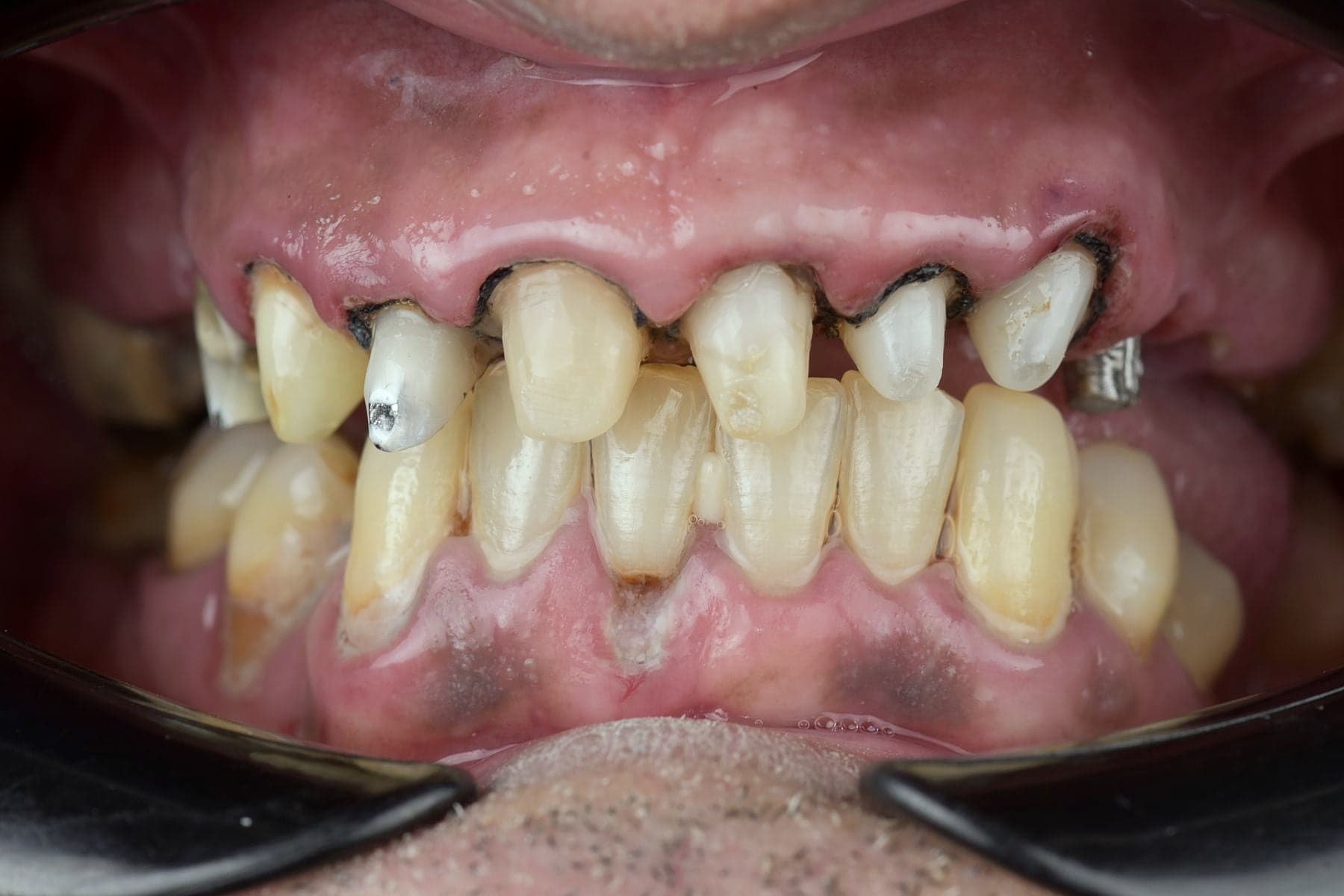
Zirconia has no metal substructure, so it avoids the grey line that eventually shows at the gum; it is very strong and works anywhere. Porcelain-fused-to-metal remains a proven answer on back teeth. Pressed E-max ceramic is the most translucent, so the closest to a natural tooth, and is kept for teeth that show.
The price gap between the three is small, deliberately: the decision should follow the tooth in question, not the tariff.
How many appointments, and what you wear in between
One trip, temporary included.
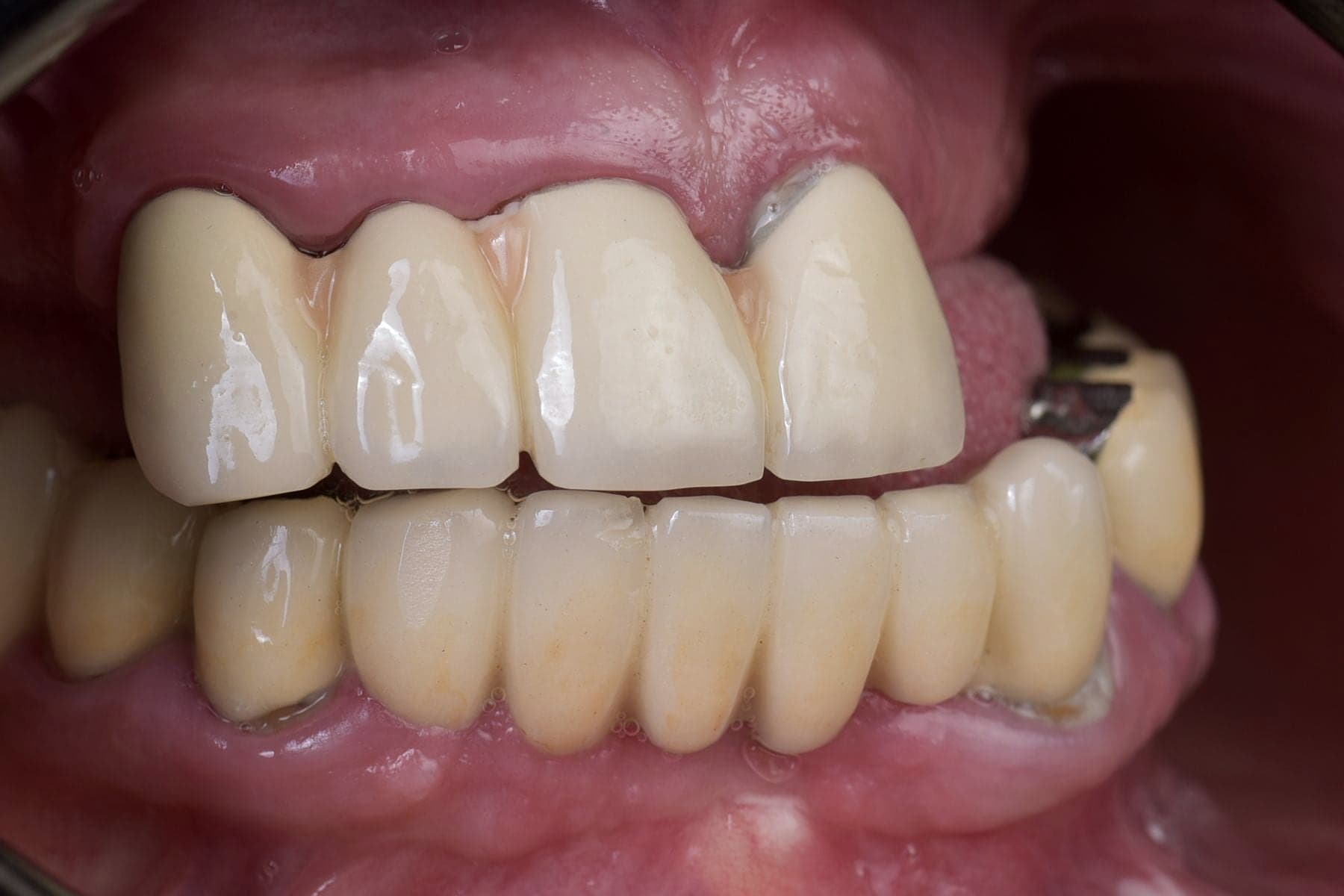
The tooth is prepared and the impression taken at the first appointment; the final crown is fitted a few days later, once the laboratory has done its work. In between you wear a temporary crown, included in the price: you never leave with a bare prepared tooth.
For somebody coming from abroad this fits into a single stay, provided you write before you travel rather than on arrival.
Learn more about root canal treatment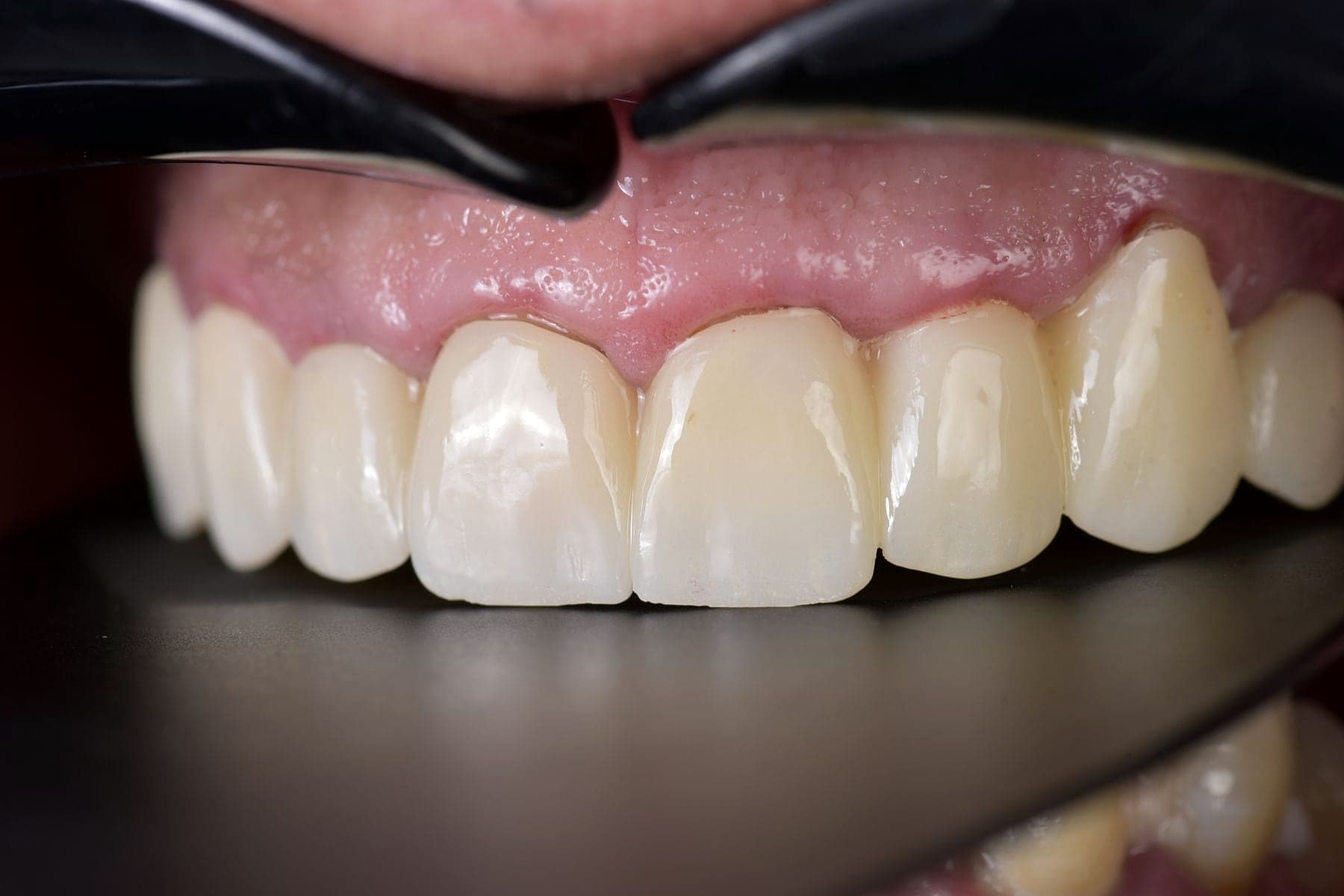
What makes a crown last
The gum margin and brushing, not the ceramic.
A crown does not decay, but the tooth underneath does. Almost every failure starts at the junction between crown and tooth: if plaque settles there, decay resumes under the ceramic, where nobody can see it.
Floss or interdental brushes around that margin therefore matter more than the material you chose. Crowns and fixed prosthetics fitted at the clinic carry a five-year warranty.
Crowns — Frequently Asked Questions
- What is the difference between a crown and a veneer?
- A crown covers the whole tooth and is there to strengthen it; a veneer covers only the visible face and is there to change how it looks. The choice follows how much tooth is left, not the appearance you want.
- How long does a crown last?
- Several years, often considerably more, but the lifespan depends mostly on hygiene around the gum margin and on not grinding. A perfect crown on a poorly brushed tooth does not last.
- Is fitting one painful?
- Preparation is done under local anaesthetic. Sensitivity to hot and cold for a few days afterwards is common and settles on its own.
- How much does a crown cost?
- From €150 depending on the material, including lab work, the temporary crown and the warranty. The breakdown by material is on the prices page.

@estoriaclinic
Get in touch

The message is already written — all that is left is to send it.
Or write to us here
Batna
Cité Bouzourane, Coopérative El Yasmine
Villa N° 15, à côté de la mosquée At-Taqwa
Batna, Algérie
Daily except Friday — 08:30 to 16:30
Get directions